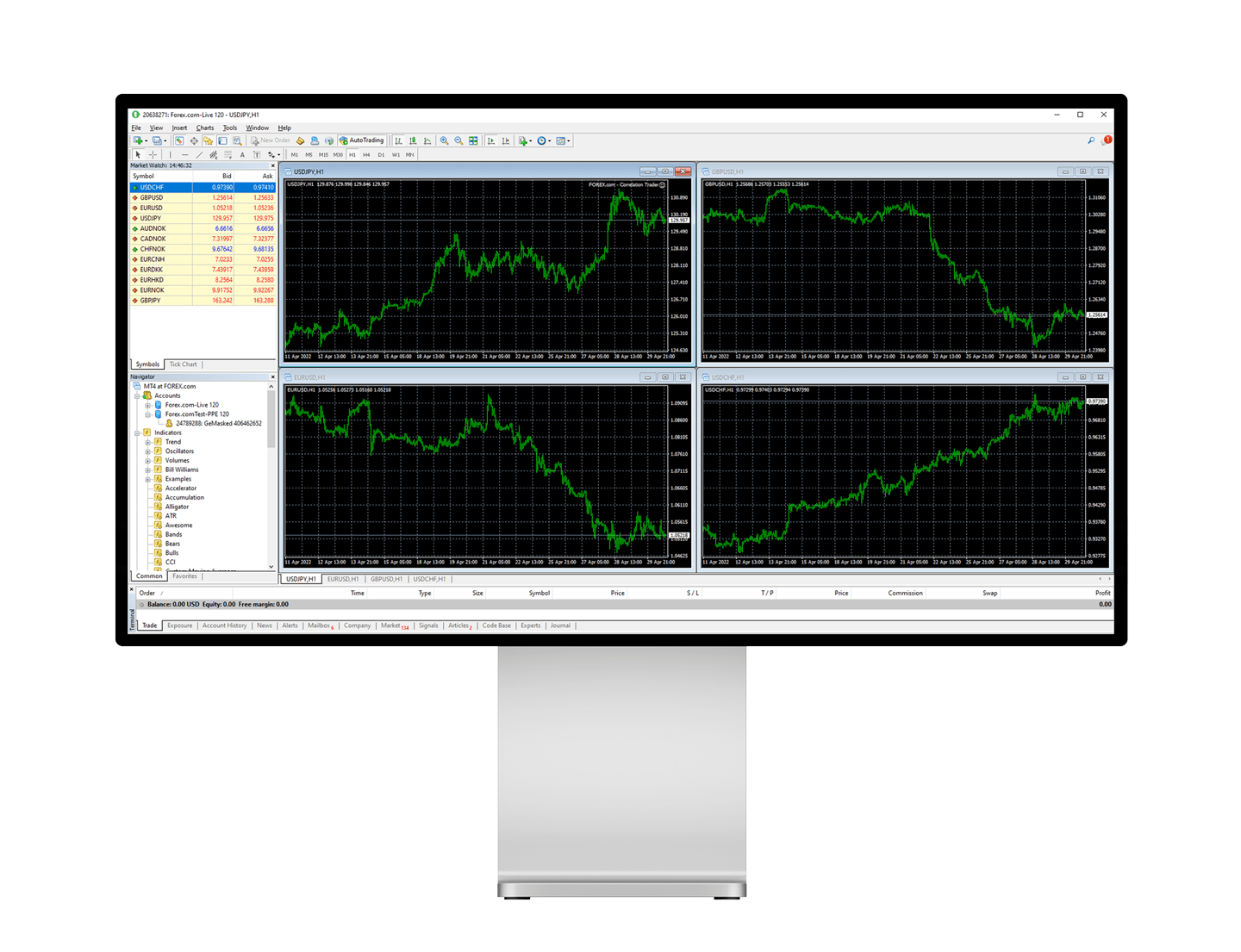
In the ever-evolving world of trading, selecting the right platform can make or break your trading experience. Among the plethora of options available, Metatrader 4 (MT4) stands out as a popular choice for both novice and experienced traders. But how does it compare to other trading platforms? This article explores the key features, advantages, and limitations of MT4 and how it stacks up against its competitors, helping you choose the right fit for your trading needs.
Why MetaTrader 4?
User-Friendly Interface
One of the standout features of MT4 is its user-friendly interface. Designed with traders in mind, MT4 offers a clean and intuitive layout that allows users to navigate effortlessly. Whether you’re setting up charts, executing trades, or analyzing market trends, the ease of use makes MT4 a favorite among traders.
Advanced Charting Tools
MT4 is renowned for its advanced charting capabilities. It offers a wide range of technical indicators, drawing tools, and timeframes, providing traders with the flexibility to customize their charts to suit their trading strategies. The platform also supports automated trading through Expert Advisors (EAs), which can be a game-changer for those looking to implement systematic trading strategies.
Robust Security
Security is paramount in trading, and MT4 doesn’t disappoint. The platform employs high-level encryption to safeguard user data and transactions, ensuring a secure trading environment. This level of security gives traders peace of mind, knowing that their investments are protected.
How Does MetaTrader 4 Compare to Other Platforms?
MetaTrader 5 (MT5)
While MT4 is highly regarded, MetaTrader 5 (MT5) is its successor, offering several enhancements. MT5 provides additional timeframes, an economic calendar, and improved backtesting capabilities. However, MT5’s complexity can be a double-edged sword. While it offers more features, it may also present a steeper learning curve for new traders.
TradingView
Another popular platform is TradingView, known for its powerful charting tools and social trading features. TradingView offers a web-based interface, making it accessible from any device with an internet connection. It also boasts a large community of traders who share ideas and strategies. However, TradingView lacks the depth of automated trading options available in MT4.
NinjaTrader
NinjaTrader is another competitor that excels in advanced charting and market analysis. It offers extensive customization options and supports both futures and forex trading. NinjaTrader’s advanced analytics tools are comparable to those of MT4, but the platform may require a more significant investment in terms of both time and money to fully utilize its capabilities.
cTrader
cTrader is designed with a focus on usability and transparency. It offers robust charting tools, fast execution speeds, and a clean interface. cTrader’s level II pricing data provides traders with additional market depth, which can be advantageous for certain trading strategies. However, cTrader’s community and range of EAs are not as extensive as those found in MT4.
Making the Right Choice
Choosing between MetaTrader 4 and other trading platforms ultimately depends on your trading needs and preferences. Here are some factors to consider:
Experience Level: If you’re a beginner, MT4’s user-friendly interface and extensive support community may be more suitable. Experienced traders might appreciate the additional features offered by platforms like MT5 or NinjaTrader.
Trading Style: If automated trading and custom indicators are crucial to your strategy, MT4’s support for EAs and advanced charting tools make it a strong candidate. For social trading and idea sharing, TradingView’s community features are unparalleled.
Market Access: Consider the markets you intend to trade. While MT4 is predominantly used for forex trading, platforms like NinjaTrader and cTrader offer broader market access, including futures and stocks.
Cost: Evaluate the cost associated with each platform, including subscription fees, commissions, and any additional costs for premium features or data feeds.
Conclusion
In the debate of MetaTrader 4 vs. other platforms, there is no one-size-fits-all answer. Each platform has its strengths and weaknesses, and the best choice depends on your individual trading requirements. By considering factors such as user experience, trading style, market access, and cost, you can make an informed decision that aligns with your trading goals. Ultimately, the right platform is the one that empowers you to trade effectively and efficiently.