In today’s interconnected financial environment, traders and investors demand access to a broad range of opportunities. The ability to trade across international markets—without the hassle of multiple platforms or accounts—is no longer a luxury but a strategic necessity. With a unified online trading account, individuals can seamlessly explore global markets, diversify their portfolios, and respond to dynamic economic trends with greater ease and efficiency.
One Account, Countless Opportunities
A single trading account that provides access to global markets serves as a powerful gateway to international financial instruments. Whether you’re interested in foreign exchange (forex), commodities, indices, shares, or contracts for difference (CFDs), having centralized access removes the complexity of switching platforms and managing separate logins or funds. This all-in-one approach empowers traders to monitor, analyze, and execute trades efficiently, no matter where the opportunity arises.
Diversification Made Simple
Diversification is a key principle in risk management. By accessing global markets through one account, traders can spread their investments across multiple regions, sectors, and asset classes. For instance, a trader might invest in U.S. technology stocks, monitor European indices, speculate on Asian currency pairs, or hedge with commodities—all from the same platform. This reduces overexposure to any single market and increases the potential to capitalize on trends from different economic zones.
Time-Efficient and Cost-Effective
Managing multiple trading accounts often leads to increased administrative work, additional fees, and inefficiencies in fund transfers. A single global account eliminates these issues, allowing for faster fund allocation, reduced operational overhead, and streamlined account management. Time is critical in the world of trading, and consolidating global access under one roof ensures decisions can be made and acted upon swiftly.
Stay Informed Across Borders
One of the main advantages of accessing global markets from a single account is the ability to track global economic indicators, financial news, and market movements in real time. This consolidated view improves strategic decision-making, allowing traders to identify correlations, anticipate movements, and position themselves more effectively across different markets.
User-Friendly Experience
Most modern platforms offering single-account global access are designed with the user in mind. With intuitive interfaces, customizable dashboards, and integrated tools, traders can personalize their workspace to match their trading style. This creates a seamless, user-friendly experience that enhances productivity and confidence.
Conclusion
The ability to access global markets from a single account is a game-changer for modern traders. It simplifies portfolio management, enhances diversification, reduces friction, and opens doors to a world of opportunities. In a globalized economy, efficiency and reach matter more than ever—making single-account access an essential feature for anyone looking to trade with confidence and agility.
Understanding Leverage and Margin on the MT4 Trading Platform
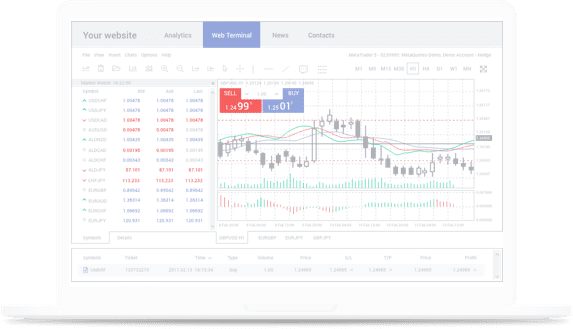
Trading in the mt4 trading platform often involves navigating technical concepts like leverage and margin. These two terms are crucial for any trader looking to produce substantial returns, but they also come with risks if not understood properly. This article breaks down what leverage and margin mean in trading and how to use them effectively.
What Is Leverage in Trading?
Leverage is essentially a loan provided by your broker, allowing you to control a larger position in the market than the amount of capital in your trading account. It is often expressed as a ratio, such as 50:1 or 100:1. For example, with 100:1 leverage, you can control $100,000 in assets by using just $1,000 of your capital.
Leverage can amplify both your profits and your losses. For instance, a small price movement of 1% can translate into a significant gain or loss when leverage is applied. This makes leverage a double-edged sword—powerful in the hands of an informed trader but potentially disastrous if used recklessly.
What Is Margin?
Margin is the amount of money a trader needs to deposit to open and maintain a leveraged position. Think of it as a security deposit that your broker holds to ensure you can cover potential losses. Unlike leverage, which is a tool to enhance your market exposure, margin reflects the actual capital you are committing to a trade.
Margin is also expressed as a percentage. For instance, a margin requirement of 1% means you need to deposit $1,000 to open a $100,000 position. If your account balance falls below the required margin level, your broker may issue a margin call, requiring you to deposit additional funds or close the position to limit the risk.
Balancing Leverage and Margin
To trade successfully with leverage and margin, proper risk management is key. Here are some tips to help you maximize potential returns while minimizing risks:
• Understand Your Risk Appetite: High leverage magnifies both potential gains and losses. Use leverage ratios that align with your comfort level and trading strategy.
• Monitor Your Margin Level: Keep an eye on your free margin to avoid margin calls. Calculating the amount of margin required for each trade helps you better plan your portfolio.
• Set Stop-Loss Orders: Protect yourself from sudden market movements by setting stop-loss orders on all trades. This way, you can cap your losses at a manageable level.
• Start Small: If you are new to trading, using low leverage ratios and smaller positions can help you learn without incurring significant losses.
Leverage and margin are fundamental in forex trading, but understanding their mechanics and risks is just as important as knowing how to apply them. By exercising caution and adopting sound risk management practices, you can make these tools work for you, not against you.